When you look at a tin box, it may seem natural to assume that it is made from pure tin. However, most modern tins and metal boxes are not made from pure tin. They are primarily manufactured from tinplate, also known as tin-plated steel.
CREPACKING uses high-quality tinplate as the primary material for a wide range of tin packaging products, including biscuit tins, tea tins, coffee tins, chocolate tins, spice tins, gift tins, candle tins and other custom metal packaging.
So, what are tins made from? The short answer is: tins are primarily made from tinplate, a low-carbon steel sheet coated with a thin layer of tin.
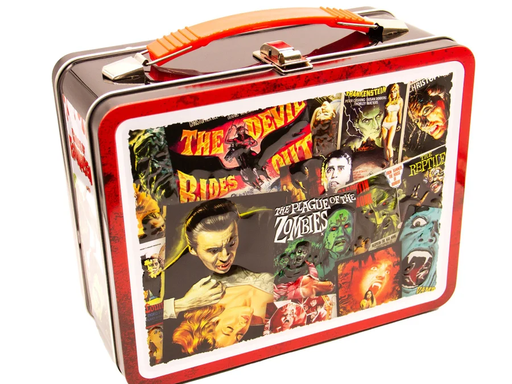
What Material Are Tins Made From?
The main material used to manufacture CREPACKING tins is tinplate (tin-plated steel).
Tinplate consists of a thin sheet of low-carbon steel with a coating of tin applied to its surface. The two materials work together to provide the properties required for rigid metal packaging.
The steel substrate provides:
- Strength and rigidity
- Structural stability
- Durability during transportation and handling
- Good formability for manufacturing different shapes
The tin coating provides:
- Protection against corrosion
- A clean and attractive surface
- A suitable base for printing and decoration
This combination makes tinplate an effective material for producing durable and versatile tin box packaging.
It is important to clarify that "tin box" does not normally mean a box made entirely from pure tin. In packaging terminology, the term generally refers to a container manufactured from tinplate or tin-plated steel.
What Is Tinplate?
Tinplate is a steel-based packaging material consisting of low-carbon steel coated with a thin layer of tin.
The steel provides the mechanical strength needed to form a rigid container, while the tin coating helps protect the steel from corrosion. The material can also be processed, stamped, formed and printed, making it suitable for a wide variety of packaging designs.
This material structure can be simplified as:
Steel substrate → Tin coating → Printing and protective finishes → Finished tin package
The steel is the primary structural component. The tin layer is relatively thin and serves mainly as a protective coating rather than forming the entire body of the container.
This is why the technically accurate description of the material is tinplate or tin-plated steel, rather than pure tin.
Why Is Tinplate Used for Tin Packaging?
Tinplate is widely used for rigid metal packaging because it offers a combination of strength, durability, formability and surface protection.
1. Strength and Durability
The steel base gives tinplate tins a strong and rigid structure. This helps protect the contents from everyday handling, transportation and storage.
Compared with many flexible packaging materials, rigid tin packaging can provide a more substantial physical barrier and retain its shape after opening.
This makes tinplate particularly suitable for products such as biscuits, tea, coffee, chocolate, spices, gifts and other consumer products.
2. Corrosion Resistance
The tin coating helps protect the underlying steel from corrosion.
This protective property is particularly important for packaging because the container may be exposed to humidity, handling and different storage environments during its service life.
For products that require internal protection, additional internal coatings or linings can also be incorporated into the packaging construction according to the intended application.
3. Formability
Tinplate is suitable for stamping and forming, allowing manufacturers to create many different container shapes and structures.
CREPACKING's tin packaging range includes various shapes and constructions, such as:
- Round tins
- Rectangular tins
- Square tins
- Hinged tins
- Sliding-lid tins
- Gift tins
- Custom-shaped tins
This flexibility allows brands to develop packaging that is not only functional but also visually distinctive.
4. Printability and Decoration
Another advantage of tinplate is its suitability for printing and decorative finishing.
The surface can be printed with branding, graphics, product information and decorative patterns, allowing a tin box to become part of a product's overall visual identity.
For this reason, tinplate packaging is frequently used when packaging appearance and brand presentation are important.
Custom printing and finishing can transform a standard metal container into distinctive branded packaging for food, gifts, cosmetics, candles and other consumer products.
5. Recyclability
Tinplate is a steel-based metal packaging material and can be recovered through established metal recycling systems where suitable collection and recycling infrastructure is available.
This gives tin packaging an advantage when brands are looking for durable packaging materials that can participate in metal recycling streams.
The actual recyclability of a finished product depends on the complete packaging construction and the recycling infrastructure available in the destination market. Nevertheless, the steel-based nature of tinplate makes it an established material for recyclable metal packaging.

What Types of Tins Does CREPACKING Make?
CREPACKING offers a broad range of tin packaging solutions made primarily from tinplate.
These include packaging for:
- Biscuits and cookies
- Tea
- Coffee
- Chocolate and confectionery
- Spices
- Mints and other food products
- Candles
- Cosmetics
- Gifts
- Household products
- Promotional products
The company also offers different shapes, sizes, structures and decorative options to meet specific packaging requirements.
From simple round containers to highly customized printed tins, the versatility of tinplate allows manufacturers to create packaging for different products and brand identities.
For businesses looking for custom tin boxes, the combination of tinplate's structural properties and its suitability for printing makes it possible to develop packaging that provides both product protection and strong visual appeal.
Do Tins Contain Other Materials?
Although tinplate is the primary structural material, a finished tin package may contain additional materials or components depending on its design and intended application.
These may include:
- Protective coatings
- Internal linings
- Printing and finishing layers
- Seals or gaskets
- Plastic components
- Handles
- Windows
- Hinges
- Child-resistant mechanisms
Therefore, it would not be accurate to describe every finished tin as consisting of 100% tinplate.
For a standard metal tin, the main body and lid are generally manufactured from tinplate. However, specialized packaging may combine tinplate with other materials to provide specific functions such as sealing, product protection, opening mechanisms or improved usability.
The exact material composition should therefore be confirmed according to the specific product design, technical drawing and intended application.
Are Tinplate Tins Suitable for Food Packaging?
Tinplate is widely used for food tin packaging, including products such as biscuits, tea, coffee, chocolate, confectionery and spices.
Its strength and rigidity provide physical protection, while the tin coating helps protect the steel substrate from corrosion. Depending on the product and application, internal coatings or linings may also be required.
However, suitability for food-contact applications should always be evaluated based on the complete packaging construction, rather than the tinplate substrate alone.
Factors such as the internal coating, printing system, closure, product formulation, storage conditions and destination-market regulations can all affect food-contact suitability.
For this reason, specific food-contact or regulatory requirements should be confirmed for the individual packaging project.
Why Choose Tinplate for Metal Packaging?
When selecting a material for rigid packaging, brands typically need to balance protection, appearance, durability and functionality.
Tinplate offers a combination of these characteristics in a single packaging material.
| Property | Benefit for Packaging |
| Steel substrate | Provides strength and rigidity |
| Tin coating | Helps protect against corrosion |
| Formability | Enables different shapes and structures |
| Printable surface | Supports branding and decoration |
| Durable construction | Helps protect products during handling and storage |
| Metal composition | Allows participation in metal recycling systems |
These properties make tinplate a practical choice for both functional packaging and premium branded packaging.
What Are Tins Made Of?
So, what are tins made from?
The most accurate answer is that CREPACKING tins are primarily made from tinplate, also known as tin-plated steel. Tinplate consists of a low-carbon steel substrate coated with a thin layer of tin.
The steel provides the strength, rigidity and formability required to manufacture a durable metal container, while the tin coating helps protect the steel against corrosion and provides a suitable surface for printing and finishing.
Depending on the product design and intended application, additional coatings, internal linings, seals, plastic components or other accessories may also be incorporated.
Therefore, rather than saying that a tin is made from "pure tin," the technically correct description is:
CREPACKING tins are primarily manufactured from tinplate (tin-plated steel), with additional coatings, linings and components used where required by the specific packaging design and application.
This combination of strength, corrosion resistance, formability, printability and recyclability makes tinplate a versatile material for modern metal packaging.